Is Cineb Safe and Legal? Security, Privacy & Risk Analysis
Ready to explore cineb?
Direct portal access to cineb.
Streaming platforms have transformed how we consume entertainment, but not all services operate with the same legal framework or security standards. Cineb has gained attention as a free streaming platform, prompting important questions about its safety and legitimacy. Understanding the security risks, privacy implications, and legal consequences associated with using such platforms is essential before accessing any content.
This comprehensive analysis examines the core concerns surrounding Cineb, including malware threats, data privacy vulnerabilities, copyright infringement issues, and the potential consequences users may face. Whether you're considering using the platform or seeking safer alternatives, this guide provides the critical information you need to make an informed decision.
Understanding the Legal Status of Free Streaming Sites

The legal landscape surrounding free streaming platforms operates in a complex gray area. Most countries protect copyrighted content through intellectual property laws, making unauthorized distribution and consumption of such content illegal. Platforms that offer recently released movies and television shows without proper licensing agreements typically violate these regulations.
Cineb and similar services generally don't host content directly on their servers. Instead, they aggregate links from various sources across the internet, functioning as intermediaries. However, this technical distinction doesn't necessarily provide legal protection, as facilitating access to pirated content can still constitute copyright infringement in many jurisdictions.
Copyright Infringement Implications
Copyright holders invest substantial resources in creating content and securing distribution rights. When platforms bypass these legitimate channels, they undermine the entire creative industry ecosystem. Users accessing content through unauthorized platforms may face legal consequences depending on their country's enforcement policies.
Some jurisdictions focus prosecution efforts on distributors rather than individual consumers, while others have implemented warning systems or penalties for users. The legal risk varies significantly based on geographic location and local enforcement priorities.
Security Vulnerabilities and Malware Threats
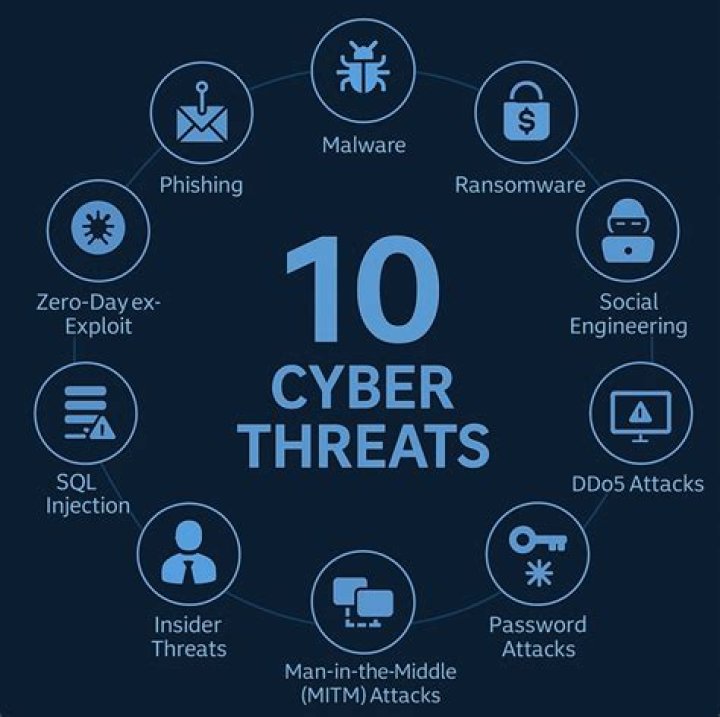
Free streaming platforms pose significant cybersecurity risks that extend beyond legal concerns. These sites frequently operate without robust security infrastructure, making them attractive targets for malicious actors seeking to exploit visitors. The business model often relies on intrusive advertising networks that may contain harmful code.
Users accessing Cineb or similar platforms commonly encounter aggressive pop-ups, redirect chains, and deceptive download buttons. These elements can trigger unintended malware installations, including ransomware, spyware, keyloggers, and cryptominers that compromise device security and performance.
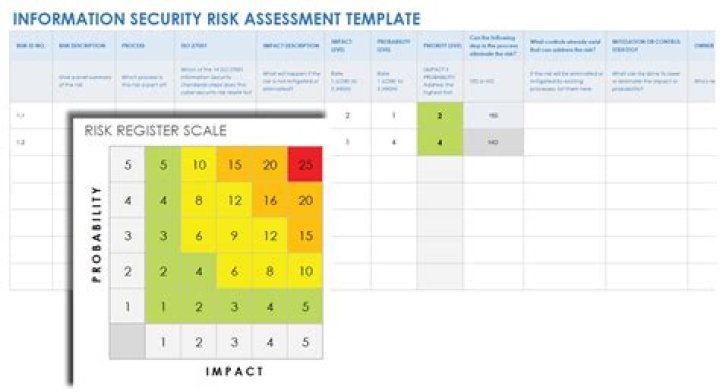
Common Security Risks
- Drive-by downloads that install malicious software without user consent
- Phishing attempts disguised as login prompts or verification requests
- Browser hijackers that modify settings and track browsing behavior
- Cryptocurrency mining scripts that consume system resources
- Trojan horses embedded in fake video players or codec updates
The cumulative effect of these threats can result in stolen personal information, compromised financial accounts, reduced device performance, and extensive remediation costs. Many users underestimate these risks when seeking free entertainment options.
Privacy Concerns and Data Collection Practices
Privacy represents another critical consideration when evaluating platforms like Cineb. Legitimate streaming services operate under strict data protection regulations and provide transparent privacy policies. Unauthorized platforms typically lack such accountability and may engage in questionable data practices.
These sites often collect extensive user information without clear disclosure or consent mechanisms. Browsing habits, IP addresses, device fingerprints, and search queries create valuable datasets that may be sold to third parties or used for targeted advertising campaigns.
Personal Information at Risk
Beyond basic tracking mechanisms, users face exposure of sensitive personal data through security breaches or intentional data harvesting. Some platforms request account creation with email addresses or even payment information for "premium" features, despite offering supposedly free services. This information can subsequently appear in data breach compilations or identity theft schemes.
The absence of HTTPS encryption on many sections of these sites allows internet service providers, network administrators, and malicious actors to intercept transmitted data. This vulnerability becomes particularly concerning when users access these platforms on public Wi-Fi networks.
ISP Monitoring and Potential Consequences
Internet service providers maintain the technical capability to monitor user activity and often cooperate with copyright enforcement entities. When users access unauthorized streaming platforms, their ISPs can detect these connections and may take various actions depending on legal requirements and company policies.
Some providers issue warning letters to subscribers, implement graduated response systems with escalating consequences, or throttle bandwidth for users repeatedly accessing piracy-related sites. In extreme cases, copyright holders may pursue legal action against individual users, resulting in substantial financial penalties.
Enforcement Actions and Penalties
Enforcement varies dramatically across different countries and regions. Nations like Germany and France have implemented strict anti-piracy measures with substantial fines for violators. Others focus primarily on targeting platform operators rather than individual consumers, though this doesn't eliminate user risk entirely.
Recent legal developments have seen increased cooperation between copyright holders, ISPs, and law enforcement agencies. Automated systems now detect and flag unauthorized streaming activity more efficiently than ever before, reducing the perceived anonymity that previously characterized online piracy.
Technical Risks Beyond Malware
The security threats associated with platforms like Cineb extend beyond traditional malware concerns. Browser exploitation techniques have become increasingly sophisticated, allowing attackers to compromise systems through vulnerabilities in web browsers and plugins without requiring user interaction or downloads.
Cross-site scripting attacks, session hijacking, and click fraud schemes represent additional vectors through which users may be exploited. These technical attacks can compromise not only the device used for streaming but also connected accounts and services through stolen authentication tokens.
Device and Network Compromise
Mobile devices face particular vulnerability when accessing questionable streaming platforms. The combination of smaller screens, touchscreen interfaces, and different security architectures creates unique attack surfaces. Malicious mobile advertisements may request extensive permissions that grant attackers significant control over device functionality.
Network-level attacks represent another consideration, especially for users accessing these platforms on shared or public networks. Man-in-the-middle attacks can intercept credentials, inject malicious code, or redirect traffic to fraudulent sites that mimic legitimate streaming platforms.
Comparing Risk Profiles with Legitimate Services
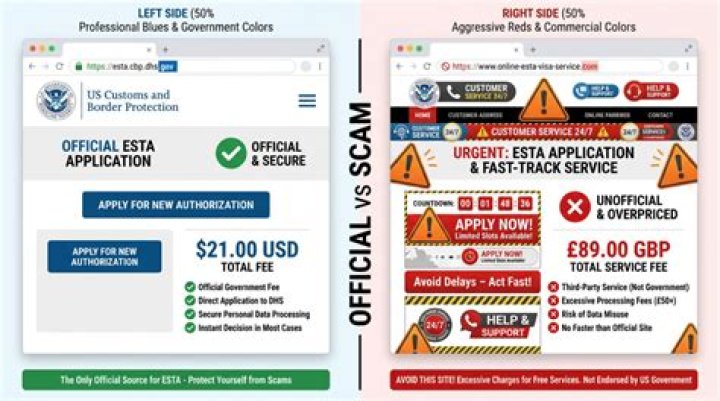
Authorized streaming platforms invest heavily in security infrastructure, content delivery networks, and legal compliance. These services operate under regulatory frameworks that mandate specific data protection standards and transparent business practices. Users benefit from encrypted connections, secure payment processing, and legitimate customer support channels.
The cost difference between free unauthorized platforms and paid legitimate services reflects these fundamental distinctions in security, legality, and reliability. While subscription fees may seem disadvantageous, they support content creation, ensure legal compliance, and provide protected viewing experiences without associated risks.
Value Proposition of Legal Alternatives
Many affordable legal alternatives exist for budget-conscious consumers, including ad-supported free tiers from major platforms, rotating promotional offers, and bundled services through telecom providers. These options provide legal access to extensive content libraries without exposing users to security threats or legal consequences.
The streaming market has become increasingly competitive, resulting in more accessible pricing structures and diverse content offerings. Free legal options through platforms like Tubi, Pluto TV, and Crackle demonstrate that legitimate entertainment doesn't necessarily require paid subscriptions.
Practical Steps for Protecting Yourself
Users who choose to explore streaming platforms should implement comprehensive security measures regardless of the sites they visit. Installing reputable antivirus software provides baseline protection against malware and malicious downloads. Browser extensions that block advertisements and scripts significantly reduce exposure to harmful content delivery mechanisms.
Virtual private networks encrypt internet traffic and mask IP addresses, though they don't eliminate legal risks associated with accessing copyrighted content. VPN usage should complement rather than replace careful evaluation of platform legitimacy and security practices.
Security Best Practices
- Keep operating systems and applications updated with latest security patches
- Use dedicated browsers for potentially risky sites, separate from banking and shopping activities
- Enable click-to-play settings for browser plugins to prevent automatic execution
- Regularly scan devices with multiple security tools to detect hidden threats
- Monitor financial accounts and credit reports for unauthorized activity
- Avoid entering personal information or creating accounts on unauthorized platforms
These protective measures reduce but don't eliminate risks. The most effective protection remains choosing legitimate streaming services that prioritize user security and operate within legal frameworks.
The Broader Impact of Piracy on Content Creation
Beyond individual legal and security risks, unauthorized streaming platforms affect the entertainment industry's economic foundation. Revenue losses from piracy impact content creators, production staff, and legitimate distribution channels. This financial pressure influences which projects receive funding and how content reaches audiences.
Smaller independent creators and niche content producers suffer disproportionately from piracy, as they lack the financial buffers that major studios maintain. When viewers access content through unauthorized channels, they inadvertently undermine the creators whose work they enjoy.
Recognizing Red Flags on Streaming Platforms
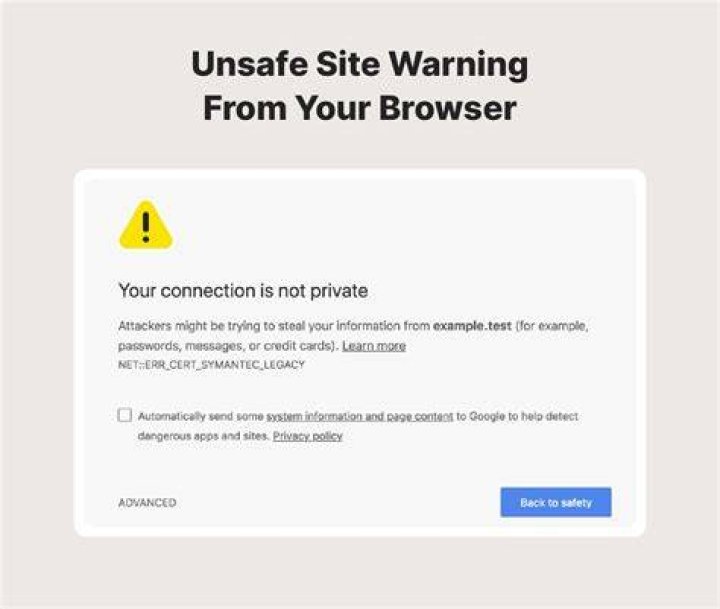
Several indicators help identify potentially dangerous or illegal streaming platforms. Sites offering recently released theatrical movies or premium television shows completely free of charge almost certainly operate outside legal boundaries. The presence of excessive pop-ups, aggressive redirects, and suspicious download prompts signals security risks.
Legitimate platforms clearly display terms of service, privacy policies, and contact information for customer support. They maintain professional design standards and stable domain names. Unauthorized sites frequently change domains to evade enforcement actions, operating through constantly shifting URLs that suggest questionable legitimacy.
Warning Signs to Watch For
- Absence of proper licensing information or copyright notices
- Requests to disable antivirus software or browser security features
- Promises of free access to content currently in theaters
- Required installation of specific video players or codecs
- Suspicious payment requests for "premium" access on supposedly free platforms
Developing awareness of these red flags helps users make safer choices when evaluating streaming options and protects against both security threats and legal consequences.
Legal Alternatives Worth Considering
The streaming landscape offers numerous legitimate alternatives that provide safe, legal access to entertainment content. Major subscription services like Netflix, Amazon Prime Video, Disney+, and HBO Max offer extensive libraries with new content added regularly. Their pricing structures have become increasingly competitive through bundled packages and shared family plans.
Free legal streaming services supported by advertisements present viable options for budget-conscious viewers. Platforms including Tubi, Peacock Free, Vudu, and IMDb TV provide substantial content catalogs without subscription requirements. While their selections may not include the latest releases, they offer legal access to thousands of movies and television shows.
Balancing Cost and Security
Many consumers underestimate the total cost of using unauthorized streaming platforms when factoring in security risks, potential legal consequences, and device remediation expenses. A modest monthly subscription fee provides predictable costs, reliable service quality, and peace of mind regarding legal compliance and data security.
Library services increasingly offer free streaming options through partnerships with platforms like Hoopla and Kanopy, providing another avenue for legal access to movies and documentaries. These services leverage existing library memberships to deliver content without additional costs to users.
Final Thoughts
Evaluating whether Cineb is safe and legal reveals significant concerns across multiple dimensions. The platform operates in legal gray areas that expose users to potential copyright infringement consequences, while its security infrastructure presents substantial malware and privacy risks. The combination of aggressive advertising networks, questionable data practices, and absent regulatory oversight creates an environment where users face multiple threats simultaneously.
The streaming entertainment landscape offers numerous legitimate alternatives that eliminate these risks while supporting content creators and the broader entertainment industry. Whether through paid subscriptions, ad-supported free services, or library partnerships, legal options provide secure access to extensive content catalogs without exposing users to legal liability or cybersecurity threats. Making informed choices about streaming platforms protects not only individual users but also contributes to a sustainable ecosystem for content creation and distribution. The modest investment in legitimate services provides far greater value than the hidden costs and risks associated with unauthorized platforms like Cineb.
Explore More on Cineb
Thank you for reading! For more comprehensive guides and site pages, return to the Cineb Homepage .
