Cineb vs Netflix: Free Streaming vs Paid Subscription Guide
Ready to explore cineb?
Direct portal access to cineb.
Choosing between free streaming platforms and paid subscription services has become one of the most common dilemmas for entertainment seekers. With streaming options multiplying every year, viewers face a fundamental question: should they pay for premium content or explore free alternatives? This comparison explores the differences between Cineb, a free streaming platform, and Netflix, the industry-leading paid service, helping you understand what each offers and which might suit your viewing preferences.
The streaming landscape has evolved dramatically, with both free and premium platforms carving out their spaces. While Netflix transformed how we consume content through its subscription model, platforms like cineb have emerged to provide access without monthly fees. Understanding the trade-offs between these approaches helps you make informed decisions about your entertainment budget and viewing experience.
Cost Structure and Value Proposition
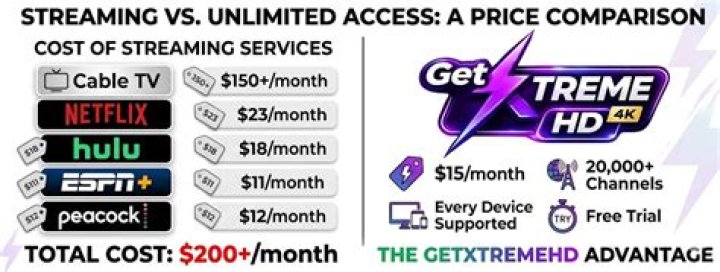
Netflix operates on a tiered subscription model with plans ranging from basic to premium levels. The standard plan typically costs between $15-20 monthly, depending on your region and chosen tier. This fee grants unlimited access to their entire catalog, multiple device streams, and varying video quality levels based on your plan. Over a year, subscribers can expect to spend $180-240 or more.
Cineb takes a completely different approach by offering content without subscription fees. Users can access movies and TV shows without creating paid accounts or entering payment information. This model eliminates the monthly financial commitment entirely, making it attractive for budget-conscious viewers or those who watch content occasionally rather than daily.
The value equation depends on your viewing habits. Heavy streamers who watch multiple hours daily may find Netflix's unlimited model worthwhile despite the cost. Casual viewers who watch a few movies monthly might not justify the subscription expense, making free alternatives more economical for their usage patterns.
Content Library and Selection
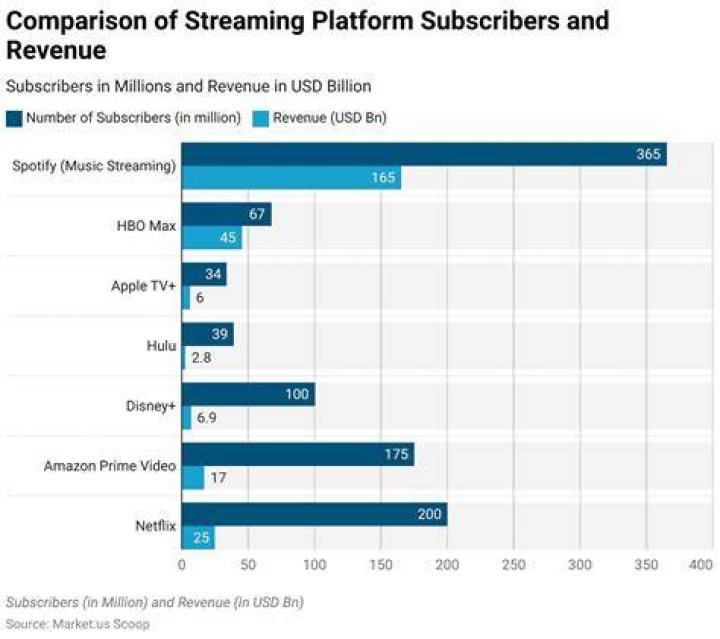
Netflix boasts one of the most extensive licensed content libraries in streaming, featuring thousands of movies, series, documentaries, and stand-up specials. Their catalog includes major Hollywood releases, international cinema, and content across virtually every genre. Additionally, Netflix invests billions annually in original programming, producing exclusive series and films unavailable anywhere else.
The platform's original content has become a major draw, with productions like Stranger Things, The Crown, and Squid Game achieving cultural phenomenon status. These exclusives create compelling reasons to maintain subscriptions, as viewers cannot access this content through other services legally.
Free streaming platforms typically aggregate content from various sources, offering different selections than subscription services. The libraries on these platforms change more frequently, with titles appearing and disappearing based on availability. While you'll find popular movies and shows, the selection differs from Netflix's curated and licensed catalog.
Content discovery also differs significantly. Netflix employs sophisticated recommendation algorithms that learn viewing preferences over time, suggesting personalized content. Free platforms generally offer simpler browsing interfaces with category-based organization rather than AI-driven recommendations.
Streaming Quality and Technical Performance
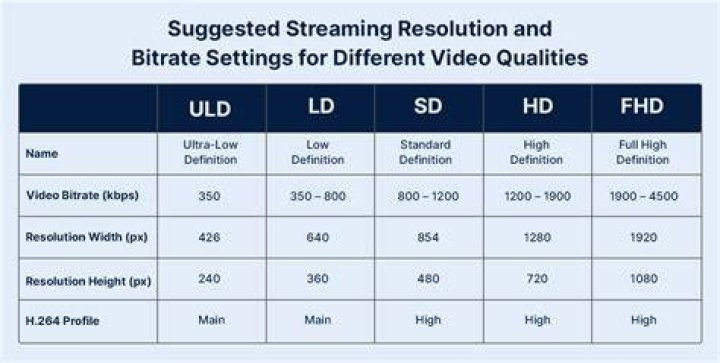
Netflix delivers consistent streaming quality with options ranging from standard definition to 4K Ultra HD, depending on your subscription tier. The platform automatically adjusts video quality based on your internet connection speed, maintaining smooth playback without buffering. Premium subscribers enjoy 4K resolution with HDR support on compatible devices.
The service's robust infrastructure ensures reliable streaming even during peak usage hours. Netflix maintains content delivery networks globally, reducing latency and improving load times regardless of your location. Audio quality is equally prioritized, with support for Dolby Atmos on premium plans for immersive sound experiences.
Free streaming platforms operate with different infrastructure constraints. Video quality varies more significantly, often capping at 720p or 1080p resolution. Buffering may occur more frequently, especially during high-traffic periods. The streaming experience depends heavily on server loads and available bandwidth at any given time.
Technical reliability represents one of the most noticeable differences between paid and free services. Netflix's investment in technology infrastructure translates to fewer playback interruptions, faster loading times, and more consistent performance across different devices and network conditions.
Device Compatibility and Accessibility
Netflix supports virtually every streaming-capable device available today. You can watch on smart TVs, streaming sticks, gaming consoles, smartphones, tablets, and computers. The platform offers dedicated apps optimized for each device type, ensuring consistent interfaces and functionality across your electronics.
Cross-device continuity stands out as a major Netflix feature. Start watching on your phone during your commute, then seamlessly continue on your TV at home from the exact moment you left off. Your watch history, preferences, and profiles sync automatically across all devices.
Free streaming platforms typically offer web-based access that works on any browser-equipped device. While some may provide dedicated mobile apps, the experience generally centers around browser-based streaming. This approach works universally but may lack the polish and optimization of purpose-built applications.
The flexibility to watch on multiple devices simultaneously also differs. Netflix's standard plan allows two concurrent streams, while premium plans support four. This feature benefits households where different family members want to watch different content simultaneously on separate devices.
Legal Considerations and Content Rights
Netflix operates through proper licensing agreements with content owners and produces its own original content. Subscribers can stream with complete confidence that all content is legally provided. The company pays substantial fees to studios, distributors, and creators for streaming rights, which partially explains subscription costs.
This legal framework ensures content quality, permanence, and reliability. Licensed content remains available for contracted periods, and Netflix notifies subscribers when titles will leave the platform. The legal operation also means better technical infrastructure and customer support.
Free streaming platforms exist in various legal categories. Some operate in gray areas regarding content licensing and distribution rights. Users should research any platform's legal status and understand potential risks. Content availability on free services can be unpredictable, with titles disappearing without notice.
Understanding these legal distinctions helps viewers make informed choices about where they stream content. While free options seem financially attractive, considering the legal framework behind content access provides important context for decision-making.
User Experience and Interface Design
Netflix has refined its user interface over years of development and testing. The platform offers intuitive navigation, personalized home screens, and sophisticated search functionality. Features like auto-playing trailers, detailed content descriptions, and user ratings help viewers discover new content efficiently.
Profile management allows up to five individual profiles per account, each maintaining separate watch histories and recommendations. Parents appreciate robust parental controls that restrict content by maturity rating and allow PIN-protected profiles for children.
The viewing experience includes features like skip intro buttons, recap options for series, and post-play recommendations that automatically queue related content. These refinements create a frictionless viewing experience that keeps users engaged with the platform.
Free platforms typically offer simpler interfaces focused on core functionality. While you can browse categories and search for specific titles, the experience lacks Netflix's personalization depth. Advertisements may interrupt viewing on some free services, though cineb and similar platforms aim to minimize interruptions.
Offline Viewing and Download Options
Netflix allows subscribers to download select titles directly to their devices for offline viewing. This feature proves invaluable during flights, commutes through areas with poor connectivity, or when trying to manage data usage. Downloads remain accessible for varying periods depending on licensing agreements.
The download functionality works seamlessly across mobile apps and Windows computers. Users can choose video quality for downloads, balancing file size against visual fidelity. This flexibility helps manage device storage while maintaining acceptable viewing quality.
Most free streaming platforms don't offer official download features due to licensing and technical limitations. Viewing typically requires active internet connections. Some browser extensions claim to enable downloads, but these often violate terms of service and may pose security risks.
For travelers or those with unreliable internet access, Netflix's download capability represents significant added value. The ability to watch content without connectivity makes the paid subscription more practical for certain lifestyles and usage scenarios.
Content Updates and Release Schedules
Netflix maintains a consistent content release schedule, with new titles added regularly throughout each month. The platform announces upcoming releases in advance, allowing subscribers to anticipate new shows and movies. Original series often drop entire seasons at once, enabling binge-watching immediately upon release.
This predictable schedule helps viewers plan their watching and creates cultural moments around major releases. Netflix also rotates licensed content, adding new movies and shows while others leave the platform. The company typically provides 30-day warnings before titles expire from the catalog.
Free streaming platforms update their libraries more dynamically, with content appearing and disappearing based on various factors. While this creates opportunities to discover unexpected titles, it also means less predictability about what will be available when you want to watch.
The trade-off involves content stability versus variety. Netflix offers more reliable access to specific titles over time, while free platforms may provide broader variety but less consistency regarding long-term availability of particular movies or shows.
Customer Support and Service Reliability
Netflix provides comprehensive customer support through multiple channels, including live chat, phone support, and extensive help documentation. Subscribers can quickly resolve technical issues, billing questions, or account problems through responsive support teams available around the clock.
Service reliability remains exceptionally high, with minimal downtime or technical disruptions. When issues occur, Netflix typically resolves them quickly and communicates transparently with users. The company's infrastructure investments translate to dependable service that rarely fails when you want to watch.
Free streaming platforms generally offer limited support options, often relying on FAQ pages or community forums rather than direct assistance. Technical issues may take longer to resolve, and service disruptions can occur more frequently without the same level of infrastructure investment.
For users who value reliable access and responsive support when problems arise, paid subscriptions provide peace of mind. The guarantee that help is available when needed adds intangible value beyond just content access.
Privacy and Data Collection Practices
Netflix collects viewing data to improve recommendations and inform content production decisions. The company maintains clear privacy policies detailing what information they gather and how they use it. Subscribers can review and delete viewing history, and Netflix doesn't sell personal data to third parties.
Payment information storage follows industry-standard security practices with encryption and secure transmission protocols. Netflix's established reputation and regulatory compliance provide reassurance about data handling practices.
Free streaming platforms vary widely in privacy practices. Some may collect extensive data about viewing habits, device information, and browsing behavior. Without subscription revenue, some free services monetize through advertising, which often involves user data collection and targeting.
Reading privacy policies and understanding what data any platform collects helps users make informed decisions. The free nature of some services comes with trade-offs regarding personal information and how companies monetize user attention.
Which Option Fits Your Needs
Choosing between Netflix and free alternatives like cineb depends on your priorities, budget, and viewing habits. Netflix excels for viewers who want guaranteed quality, extensive original content, reliable service, and polished user experiences. The subscription cost makes sense for frequent streamers who value convenience and comprehensive libraries.
Free platforms suit viewers who watch content occasionally, want to avoid monthly expenses, or don't mind potential trade-offs in quality and content selection. These services provide legitimate value for budget-conscious users willing to accept different viewing experiences than premium services offer.
Consider your typical viewing frequency. Daily viewers who watch multiple shows and movies weekly likely benefit from Netflix's value proposition. Occasional viewers who watch a few movies monthly might not justify subscription costs, making free alternatives more economical.
Your content preferences also matter. Viewers who prioritize Netflix's exclusive originals need subscriptions to access that content. Those satisfied with older releases and varied international content can find plenty to watch on free platforms without the financial commitment.
Final Thoughts
The debate between free streaming and paid subscriptions ultimately comes down to personal circumstances and preferences. Netflix offers premium experiences with extensive content, superior technology, and reliable service that justify costs for many users. Platforms like cineb provide viable alternatives for viewers seeking content access without financial commitments, accepting different trade-offs in the process. Understanding what each approach offers helps you choose the streaming solution that best matches your entertainment needs, budget constraints, and viewing habits. Both models have earned their places in the streaming ecosystem, serving different audiences with distinct priorities and expectations.
Explore More on Cineb
Thank you for reading! For more comprehensive guides and site pages, return to the Cineb Homepage .
