Cineb Not Working? Troubleshooting Common Streaming Issues
Ready to explore cineb?
Direct portal access to cineb.
Nothing disrupts your movie night faster than streaming issues. When Cineb stops working properly, whether videos won't load, playback keeps buffering, or the site refuses to connect altogether, you need solutions quickly. These problems often stem from common causes that you can fix yourself in minutes.
This guide walks you through the most frequent Cineb streaming issues and their fixes. Most problems trace back to browser settings, network configuration, or temporary server hiccups. Before assuming the platform is down, try these proven troubleshooting steps to get back to watching your content.
Check Your Internet Connection First
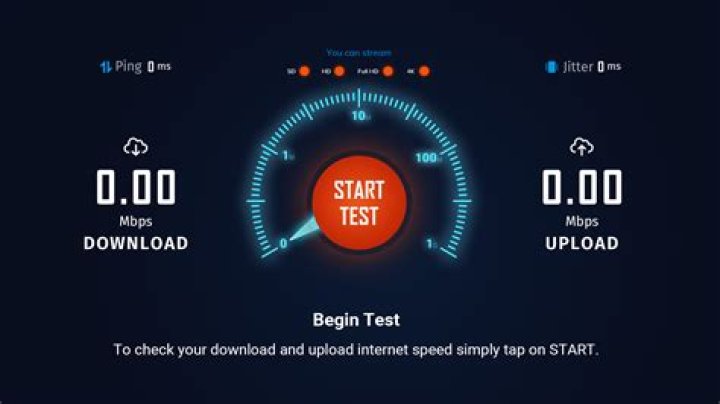
Streaming quality depends heavily on connection stability. A slow or intermittent internet connection causes most buffering and loading problems. Run a speed test to verify your download speed meets minimum requirements for video streaming.
Standard definition video needs at least 3 Mbps, while HD content requires 5-8 Mbps. If your speed falls below these thresholds, other devices on your network might be consuming bandwidth. Try disconnecting other devices or pausing downloads running in the background.
Switch Between WiFi and Mobile Data
Testing different connection types helps isolate the problem. If Cineb works on mobile data but not WiFi, your router settings or network configuration might be blocking access. Conversely, if only WiFi works, your mobile carrier could be throttling streaming services.
Restart your router by unplugging it for 30 seconds before reconnecting. This simple step clears temporary network glitches and often restores normal streaming function.
Clear Browser Cache and Cookies
Accumulated cache files and corrupted cookies frequently interfere with streaming platforms. Your browser stores temporary data to speed up page loading, but outdated information sometimes conflicts with current site requirements.
Navigate to your browser settings and locate the privacy or history section. Select the option to clear browsing data, making sure to check boxes for cached images, files, and cookies. Choose a time range of at least the past week, then clear the data.
Disable Browser Extensions
Ad blockers, VPNs, and security extensions sometimes prevent video players from loading properly. Temporarily disable all extensions to test if they're causing conflicts. Enable them one by one afterward to identify the problematic add-on.
Many streaming sites use specific scripts and requests that certain extensions automatically block. Whitelisting Cineb in your ad blocker settings often resolves this without requiring you to disable protection entirely.
Update Your Web Browser
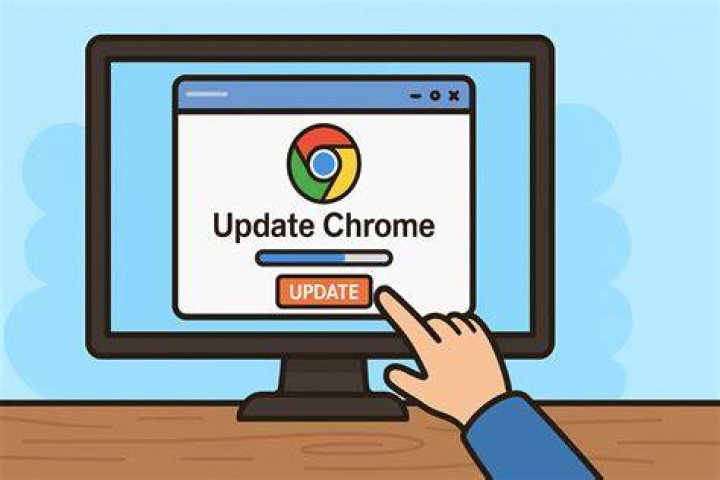
Outdated browsers lack the latest security protocols and video codec support. Streaming platforms continuously update their technology, and older browser versions struggle to keep pace with these changes.
Check for updates in your browser's settings menu. Most modern browsers update automatically, but manual checks ensure you're running the current version. After updating, restart the browser completely before attempting to stream again.
Try Alternative Browsers
Different browsers handle video streaming with varying degrees of efficiency. If Chrome isn't working, switch to Firefox, Edge, or Safari to determine whether the issue is browser-specific. This helps narrow down whether the problem lies with your browser configuration or the streaming service itself.
Keep at least two browsers installed on your device for troubleshooting purposes. This strategy provides a quick fallback option when streaming issues arise.
Adjust Video Quality Settings
High-definition playback demands more bandwidth and processing power. If videos keep buffering, manually lower the quality setting to reduce data requirements. Most streaming platforms automatically adjust quality based on connection speed, but manual control gives you more precise optimization.
Look for a settings gear icon within the video player. Select a lower resolution like 480p or 720p instead of 1080p or higher. The reduced visual quality trades off against smoother, uninterrupted playback that doesn't pause to buffer.
Disable VPN or Proxy Services
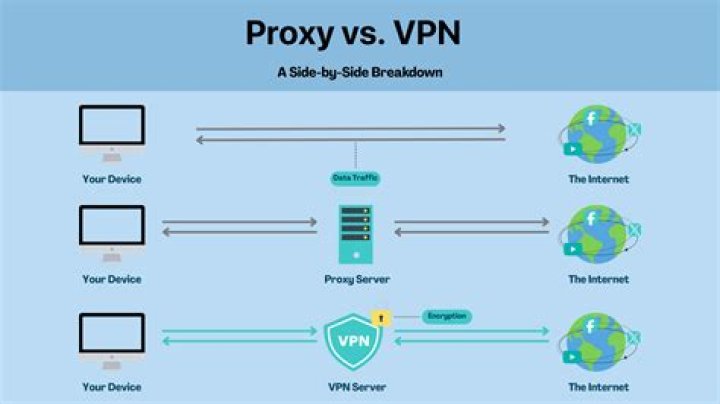
Virtual private networks and proxy servers route your traffic through additional servers, which increases latency and can trigger access restrictions. While VPNs serve important privacy functions, they sometimes interfere with streaming performance.
Disconnect your VPN temporarily to test if it's causing the issue. Many streaming sites detect VPN usage and either block access entirely or severely limit functionality. If Cineb works without the VPN, try connecting to different server locations within your VPN app to find one that allows streaming.
Check DNS Settings
Your DNS server translates website names into IP addresses. Slow or unreliable DNS servers cause loading delays and connection failures. Switching to public DNS services like Google DNS or Cloudflare often improves streaming reliability.
Access your network adapter settings and manually configure DNS addresses. For Google DNS, use 8.8.8.8 and 8.8.4.4. For Cloudflare, use 1.1.1.1 and 1.0.0.1. These services typically offer faster response times than default ISP DNS servers.
Fix Specific Error Messages
Different error codes point to distinct problems. A "Video Not Found" message suggests the content was removed or the link is broken. "Playback Error" typically indicates codec compatibility issues or corrupted video files.
Connection timeout errors mean your request didn't reach the server within the allowed timeframe. This usually stems from network congestion or firewall blocking. Screenshot any error messages you encounter, as specific codes help identify targeted solutions.
Refresh and Reload the Page
Sometimes the simplest solution works best. Press F5 or click the refresh button to reload the page completely. This forces your browser to fetch fresh data from the server rather than relying on potentially corrupted cached versions.
If a standard refresh doesn't work, try a hard refresh by pressing Ctrl+F5 on Windows or Cmd+Shift+R on Mac. This bypasses the cache entirely and retrieves all page elements directly from the server.
Check Server Status
Streaming platforms occasionally experience server outages or maintenance periods. Before spending more time troubleshooting on your end, verify whether Cineb itself is experiencing widespread issues affecting multiple users.
Visit down detector websites or check social media platforms for reports from other users. If the service is down globally, you'll need to wait until the technical team resolves the server problems. Most outages resolve within a few hours.
Update Flash Player and Video Codecs
Although Flash is largely deprecated, some streaming sites still rely on various video players and codecs. Ensure your system has current video playback components installed. Windows users should check for media feature pack updates through Windows Update.
Modern browsers include built-in HTML5 video support, but your operating system needs proper codec libraries. Installing a codec pack like K-Lite Codec Pack provides comprehensive video format support for all playback scenarios.
Scan for Malware and Adware
Malicious software interferes with normal browser operation and redirects streaming requests. If Cineb suddenly stops working or behaves strangely, run a full system scan with updated antivirus software.
Pay special attention to browser hijackers that modify settings and inject unwanted advertisements. Use reputable anti-malware tools like Malwarebytes to detect and remove threats that traditional antivirus might miss. Clean infections often restore normal streaming functionality immediately.
Reset Browser Settings
When all else fails, reset your browser to default settings. This removes all customizations, extensions, and accumulated configurations that might be causing conflicts. Most browsers offer a reset option in their advanced settings menu.
Note that resetting clears your bookmarks and saved passwords unless you sync them with a browser account. Export important data before proceeding with a full reset.
Optimize Device Performance
Insufficient system resources prevent smooth video playback. Close unnecessary programs and browser tabs to free up RAM and CPU capacity. Streaming video requires significant processing power, especially for HD content.
Check your task manager to identify resource-heavy applications running in the background. End processes that aren't essential to streaming. Restarting your computer clears memory leaks and provides a fresh start for better performance.
Hardware Acceleration Settings
Hardware acceleration offloads video processing to your graphics card rather than the CPU. This improves playback smoothness but sometimes causes compatibility issues with certain video players. Toggle this setting in your browser's advanced options to test both configurations.
If videos won't play with hardware acceleration enabled, disable it. If playback is choppy with it disabled, enable it. The optimal setting depends on your specific hardware configuration and driver versions.
Contact Your Internet Service Provider
Persistent streaming issues across multiple devices and browsers might indicate ISP-level problems. Some internet providers throttle streaming traffic during peak hours or block specific types of content. Contact your ISP to inquire about any restrictions or network maintenance in your area.
Ask specifically whether they implement traffic shaping policies that affect video streaming. Document the times when problems occur most frequently, as patterns help identify whether throttling is responsible for your streaming difficulties.
Final Thoughts
Most Cineb streaming problems resolve through basic troubleshooting steps. Start with simple solutions like checking your internet connection and clearing browser cache before moving to more advanced fixes. Systematic testing helps identify the root cause quickly, whether it's a network issue, browser configuration, or temporary server problem.
Remember that streaming platforms constantly evolve, and occasional hiccups are normal. Bookmark this guide for future reference whenever you encounter playback issues. With these troubleshooting techniques, you'll spend less time fixing problems and more time enjoying your content on Cineb.
Explore More on Cineb
Thank you for reading! For more comprehensive guides and site pages, return to the Cineb Homepage .
